


Exports of squid and octopus are booming.
27/03/2026 80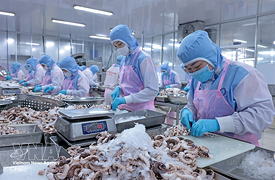
Most viewed articles


Exports of squid and octopus are booming.
Viet Nam's exports of squid and octopus reached over $111 million, a 23% increase compared to the same period last year.
According to the Viet Nam Association of Seafood Processing and Export (VASEP), purchasing power from Asian markets continues to be the main driving force. South Korea is the largest market with nearly $42 million, an increase of almost 23%, followed by Japan with nearly $26 million, an increase of about 8%.
Notably, exports to China increased by over 85% and to Thailand by over 41%, indicating a significant improvement in regional purchasing power. Conversely, exports to the EU decreased by approximately 14.5%.
Despite positive prospects, the industry still faces many challenges. Like other Vietnamese seafood exports, squid and octopus exports are also affected by the Middle East conflict.
Tensions in the Middle East could drive up logistics and transportation costs, extending delivery times. High gasoline, diesel, and marine fuel prices also increase operating costs, putting significant pressure on fishermen and the supply of raw materials for processing. Furthermore, the unstable domestic supply of raw materials affects the ability to fulfill orders.
Furthermore, the IUU "yellow card" from the EU market continues to be a major obstacle, impacting the company's reputation and ability to expand market share in the region. In this context, to maintain growth momentum, businesses need to proactively adapt to fluctuating costs, diversify supply sources, and effectively capitalize on opportunities from Asian markets – a region that is playing a leading role in growth during the early part of the year.
Source: VTV
- USTR Makes Findings and Proposes Action in 60 Section 301 Investigations Relating to Failures to Take Action on Trade in Forced Labor Goods
- [VCCI] The US officially initiates a Section 301 Investigation into Vietnam on Intellectual property
- General Secretary and President To Lam's working visit to three ASEAN countries: Demonstrating the stature of proactive and constructive diplomacy.
- Viet Nam accelerates innovation drive as skilled workforce becomes key to science and technology growth
- The US is increasing controls on AI chip exports