


Viet Nam to proactively reduce rice exports from 2026
19/01/2026 90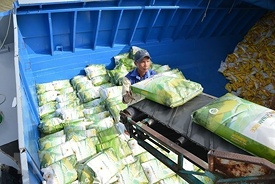
Most viewed articles


Viet Nam plans to export approximately 7 million tonnes of rice in 2026, down from 8 million tonnes last year, with a gradual reduction to just 4 million tonnes by 2030, according to Do Ha Nam, Chairman of the Viet Nam Food Association (VFA).
Explaining this, Nam said that 2026 presents numerous difficulties and challenges, and the global supply glut significantly impacts all exporters, including Viet Nam.
This is not solely due to market conditions but is part of a strategic shift for the rice industry, according to Decision 583 issued by the Prime Minister in May 2023. Along with this reduction, the country will focus on improving quality and increasing value, aiming for higher-end segments, he said.
However, Nam acknowledged that 2026 presents several challenges. In January, Viet Nam exported about 250,000 tonnes to the Philippines, but prices did not fluctuate significantly due to high carryover stocks from 2025. Additionally, the Philippines' import quota system has made it difficult for Viet Nam to export, especially during peak harvest periods.
Therefore, to resolve the rice pricing issue for farmers during the upcoming winter-spring harvest, the government and relevant ministries should create favourable conditions for businesses to temporarily store rice during harvest season. Additionally, promoting government-to-government contracts with countries like Ghana and Singapore will be beneficial, Nam suggested.
In 2024, Viet Nam’s rice exports reached a record 9.2 million tonnes, generating US$5.8 billion in revenue. The figures reduced to 8 million tonnes and US$4.1 billion last year.
Source: VOV
- USTR Makes Findings and Proposes Action in 60 Section 301 Investigations Relating to Failures to Take Action on Trade in Forced Labor Goods
- [VCCI] The US officially initiates a Section 301 Investigation into Vietnam on Intellectual property
- General Secretary and President To Lam's working visit to three ASEAN countries: Demonstrating the stature of proactive and constructive diplomacy.
- Viet Nam accelerates innovation drive as skilled workforce becomes key to science and technology growth
- The US is increasing controls on AI chip exports